Author:
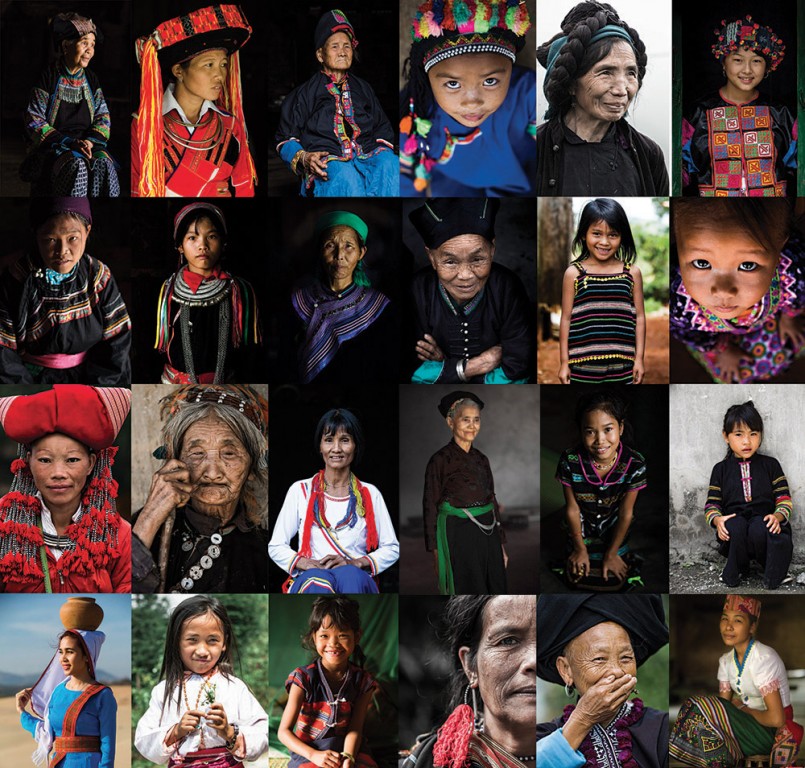
In my journey as both a student and an English teacher in Vietnam, a country consisting of 54 ethnic minorities, I have witnessed firsthand the power of culturally responsive pedagogy. As a student, I experienced a national curriculum enriched with ethnic culture through subjects in schools such as Ede’s epic in literature, Hmong’s traditional music, and sculptures and art from Cham people. Besides, I also had chances to connect with ethnic beauties through festivals and communal celebrations organized by schools from my early years, which created a learning environment that fostered mutual respect and a deep sense of belonging. This holistic approach resonated with the idea that education should mirror the community’s cultural richness, similar to the practices highlighted by Howe et al. (2021).
Transitioning into my role as an English teacher after graduating with my Bachelor’s, I encountered a critical moment that underscored the necessity of culturally responsive teaching. Back in that time, I had an eight-year-old Chinese student who struggled to understand vocabulary in both Vietnamese and English due to language barriers. Recognizing his difficulty, I employed multimodal teaching strategies—using gestures, visual aids, and translation tools—to bridge the gap. Fortunately, the other children and the Native teacher were very nice and friendly, ensuring he never felt isolated. This experience recalled Joanne’s resilient spirit and her call to “never let joy pass you by,” reinforcing that being culturally responsive means acknowledging and embracing each student’s unique narrative while adapting teaching methods to meet diverse needs.
For me, culturally responsive teaching is an ongoing, reflective process. It demands that educators continuously learn about and integrate the cultural identities of their students into everyday learning. By doing so, we create inclusive classrooms where every student feels valued and empowered to express their identity—a practice that enriches both academic and communal life. Ultimately, embracing culturally responsive pedagogies empowers educators to transform linguistic and cultural challenges into opportunities for inclusive growth.
Reference
Howe, L., Johnson, R., & Te Momo, F. (2021). Effective indigenization of curriculum in Canada and New Zealand: Towards culturally responsive pedagogies. Journal of Contemporary Issues in Education, 16(1), 23–39.
Hi Jade,
My sincere appreciation for giving insight to your journey as a student and your career path. The description of the national curriculum enriched with ethnic subjects in schools is a welcome development regarding culturally responsive pedagogy. Schools integrating communal celeberations and festivals also create an enabling environment gives students a sense of belonging. The case of the Chinese student highlights the importance of employing multimodal teaching strategies, which acknowlwdges the needs of each students and ensure that no students feel neglected.
To sum up, educators should continously adapt to cultural identities and the needs of their students to foster inclusiveness.
Hi Jade,
Your story about the young Chinese student really resonated with me. It must have been so tough for him to be in a classroom where both Vietnamese and English felt unfamiliar. I can relate to that feeling, though not in a classroom but in training and other team activities, during my undergraduate years in Cyprus. I had teammates who didn’t speak English, and I didn’t speak Turkish, so we struggled to communicate. Our coach had to translate everything, and even though I was part of the team, I often felt like an outsider. I wanted to connect with them the way I used to with my teammates back home, but the language barrier made it really difficult for me.
I greatly respect how you stepped in to assist your pupil because of this. Making him feel included through gestures, visuals, and translation tools demonstrates your concern. It’s even more touching to learn that his teachers and classmates tried to make him feel welcome. Someone’s experience might be totally transformed by that kind of support, which gives them a sense of genuine belonging.
Your narrative about adapting to your pupils’ cultural demands really speaks to me.
I liked how you used storytelling to connect with them; it reminded me of my own experience using multimodal techniques to reach a struggling kid. I agree that culturally sensitive education requires flexibility and empathy. Your reference to Howe et al. (2021) emphasizes how context shapes pedagogy, something I have observed in Vietnam’s different classrooms.
What struck me the most was your emphasis on resilience, Joanne’s words, ‘never let joy pass you by,’ appear to inspire your strategy. How do you strike a balance between cultural integration and academic demands? I would love to hear more
You successfully connect your experiences as a teacher to the importance of embedding culturally responsive practices, highlighting the need for inclusivity in the classroom. Vietnam’s education system seems like it values diversity which offers a sense of belonging to all students no matter their cultural background. Yes, teachers need to consistently respond to and adapt teaching strategies to meet the needs of all learners.