Author:
Howe, Johnson, and Te Momo’s literture is a great inspiration to us as a learner and an educator when it comes to confronting multicultural environments. As time goes on, I find myself becoming less and less traditional, meaning I am willing to sacrifice the culture from where I grew up in order to trying out and adapting new cultures. Many people refer that as globalism, which contains a lot of experiences and risks. The story I want to share with you is about risk, and how ignorance can put you in a bad spot.
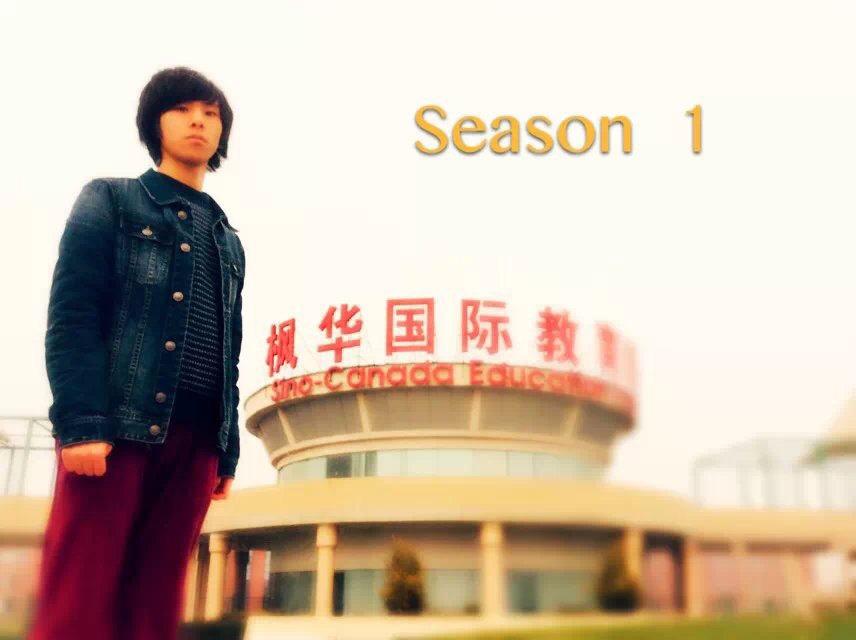
I went to a Canadian high school located in China. It was almost a decade ago I was in grade 11. At that time, I was really into this fresh environment full of English speaking, and western style of education. My lifestyle was slowly shifting as well, including listening to English songs, bingeing American shows, and having western meals in the daily basis. I was blessed to have flexible parents and teachers so I got to go after what I want instead of sticking with my own tradition. As we all know, songs can teach you new vocabulary, especially those slangs that usually have some cultural context. So one day in my IT class, I brought up a new word I just learned from a song. That word appeared to be the N word. It was the most confident time I’ve ever said this word in my life as I didn’t know anything about it, except for the meaning of “black people”. I thought I was being smart to use some advanced vocabulary, but it went wrong. However, the teacher didn’t get mad (he’s white by the way), as he’s been in China for many years and he’s aware of Chinese people’s mindset and how innocent they are towards foreign cultures. He nicely adviced me to not say that word when I go abroad, especially in front of black people because I would get punched in the face. At that time, I was a little confused by why and how can people get this mad because of an English word. After living in US for 6 years, I finally understood the seriousness of this. General speaking, racism wasn’t a big topic back in China as we didn’t have a large diverse population, at least when I was there. I just want to appreciate the fact it happened to me in my high school class instead of on a street in America. That’s what I like about intercultural school as we get to learn from each other, have empathy for each other, and send feedbacks and reminders to one another on certain sensitive stuff so we’ll be more ready to enter the real world.
Reference:
Howe, E. R., Johnson, S., & Te Momo, F. (2021). Effective indigenization of curriculum in Canada and New Zealand: Towards culturally responsive pedagogies. Journal of Contemporary Issues in Education, 16(1),pp.23-39.
Your transition from tradition to globalism in a Canadian high school in China is a compelling risk worth taking. As a mom, I’ve witnessed children struggle when exploring various cultures your N-word narrative hits home. Ignorance turned confidence into a lesson, but your teacher’s empathy transformed it into progress, echoing Gay’s (2000) plea for culturally relevant teaching that crosses boundaries. According to Villegas and Lucas (2002), recognizing various identities is essential, and your multicultural education prepared you for the racial reality of the United States. Howe et al.’s inspiration is clear here: diversity thrives on reciprocal learning. How could such schools better prepare students to navigate delicate cultural terrain before they face real-world challenges?
What happened in your class showed the challenges and learning experiences that are part and parcel of cultural adaptation. The experience you share of living and studying in a Canadian high school in China underlines the challenges and learning opportunities that go hand in hand with adapting to another culture. Cross-cultural exposure in itself is a positive force. It brings with it the delightful discovery of new customs, languages, and ways of thinking; but it also comes with the risk of delightful misunderstandings.
I got in touch with you because I was so taken by your story’s clear and powerful message, which I believe is of great value to today’s educators and students: what they say and don’t say in school, whom they say it to, and how they say it, all in the name of safe and respectful communication, really matters. And if something said in school is a communication minefield, then it is important to communicate that safely and securely. This communication is especially important for students as they prepare for interaction with a complex world after graduation.
Hi Disco,
Your story highlights the importance of cultural awareness and how learning in a multicultural environment can shape our understanding of the world. Your story reminds me of how exposure to different cultures comes with both exciting opportunities and challenges, especially when it comes to language and social norms. I appreciate how your teacher handled the situation with patience and guidance rather than judgment, it shows the value of having educators who understand cultural differences. Your reflection on how racism was not a major topic in China at the time but became more relevant when you moved to the U.S. is eye-opening. It is a great reminder that cultural sensitivity isn’t just about language but also about history, experiences, and context.
Your reflections on how one word could be so hurtful to a culture was probably quite surprising to you. However, words are power, and it is important to choose them wisely especially in an international or intercultural context. I am glad you were able to learn this lesson in a safe space.